
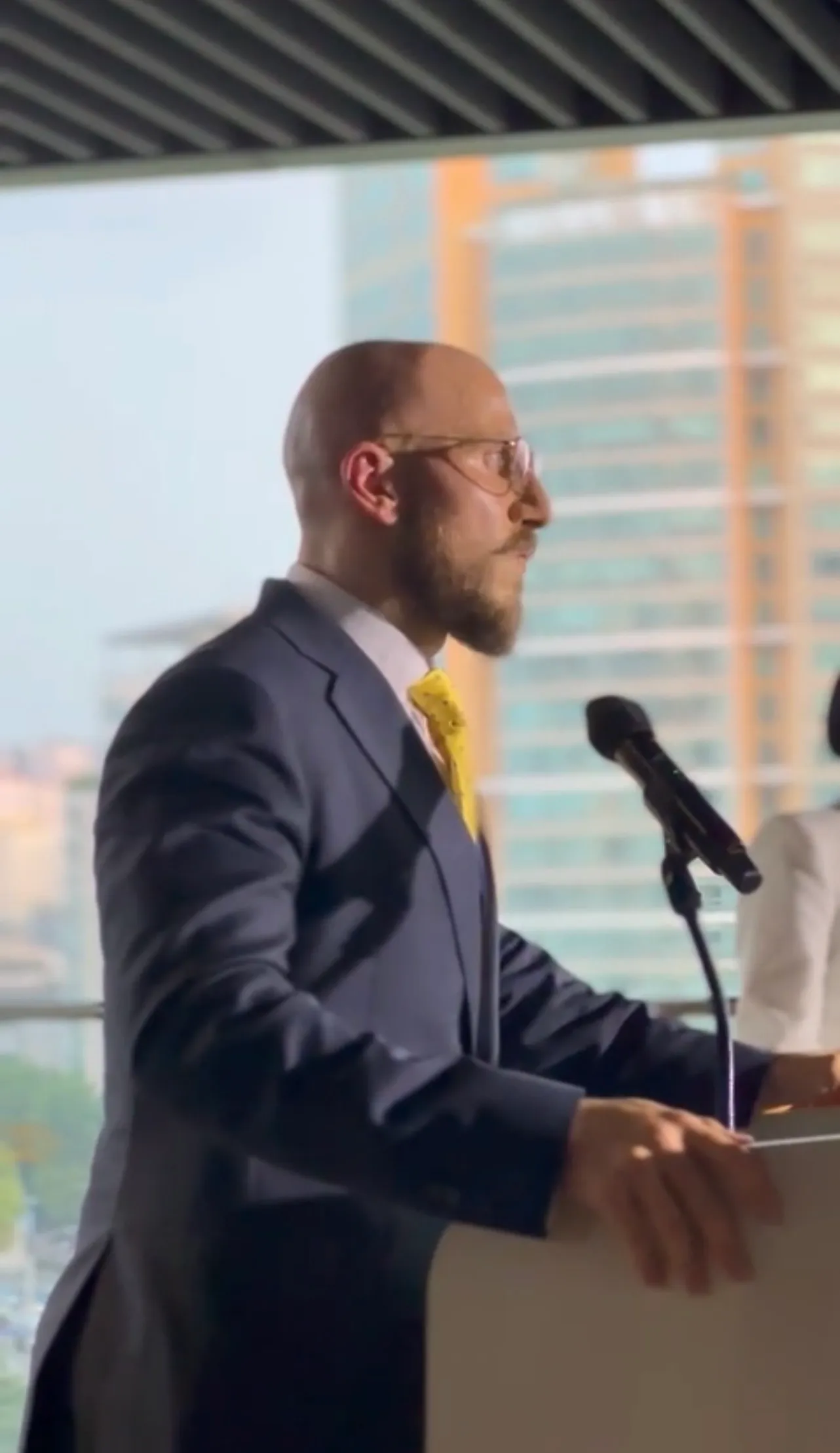
Spencer Travel hosted a one-day wellness event in Sydney that gathered wellness practitioners, exhibitors and four international retreats under one roof, Travel Weekly reported. The event, The Wellness Collective, ran on Saturday 23 May at a venue in Redfern, from 9am to 4pm, and cost A$30 a head. That price covered canapés, tea, coffee and juices, along with a programme of expert-led sessions, Travel Weekly reported.
A programme built around wellness disciplines
The day moved through a spread of wellness practices rather than a single theme. A traditional Chinese medicine practitioner with more than two decades of experience led seated yoga and Ayurveda. A breathwork facilitator ran guided sessions, a practitioner presented on intravenous drip therapy, and another spoke on biohacking. A classically trained cellist and accredited sound-bath facilitator closed the day with a sound-healing session. That mix is a fair snapshot of where commercial wellness sits now, part ancient practice, part clinical add-on, part performance.
An Australian wellness figure, the founder of a wellness magazine, moderated the day and joined a panel titled “Ancient Medicine Meets Modern-Day Science.” The panel looked at how traditional healing shapes contemporary wellness travel, Travel Weekly reported, and drew in a biohacker, the head of an aromatherapy company and the co-founder of a wellness centre. That framing is the interesting part. It puts ancient practice and laboratory language on the same stage and sells the tension between them as the product.
Luxury retreats court the Australian consumer directly
Four international properties appeared as exhibitors and sponsors: luxury wellness retreats in Thailand, Vietnam, India and New Zealand. A co-founder of the New Zealand retreat presented on the role of nature, food and community in what the report called transformational travel. The presence of established overseas retreats at a A$30 consumer day in Sydney is a strategy worth naming. These are properties that have long relied on business-to-business distribution through agents and specialist operators, and here they were meeting Australian travellers face to face in a feeder market.
That direct-to-consumer turn is the real signal in the story. Australia is a mature outbound wellness market, and a retreat in Thailand or India that wants a share of it can either pay for agency shelf space or build its own relationship with the traveller. This event let them do the second. The retreats gain a warm list of high-intent prospects, and the agency, Spencer Travel, moves from selling a booking to curating the experience that leads to one. For a facilitator, that is a shift from moving inventory to owning the demand, and it is the more defensible place to stand.
The house view of facilitators is sceptical, because too many sell visibility rather than trust, a listing fee dressed as a recommendation. An event like this is the better version of that model. Spencer Travel is not selling a ranking here; it is putting travellers in a room with the retreats and letting the wellness properties make their own case. That is closer to distribution than to advertising, and it is the kind of facilitator work that earns its margin. Whether the retreats treat the day as a real channel or a photo opportunity is the test the next year will settle.
Where the day sits on the health tourism spectrum
Health tourism is a spectrum rather than a category, running from high-intervention medical care to self-guided wellness, and this event sits close to the wellness end. Yoga, breathwork, Ayurveda and sound healing involve little or no clinical supervision and aim to improve an already-sound state rather than treat a disease. Two elements pull the other way. Intravenous drip therapy is a clinical procedure wherever it is delivered, and biohacking borrows the language of medicine for a largely unregulated wellness market. Both sit in the blurred middle of the spectrum, where a wellness setting hosts an intervention that would usually need a clinician, and both deserve more caution than a resort programme note tends to give them.
That caution is where the trade should be honest with itself. Wellness travel is a borrowed authority for anyone whose training is in medical travel, and the fair posture is to hedge rather than prescribe. The claims made for breathwork or sound healing belong to the experience, not to the clinic, and the intravenous and biohacking elements are the ones a serious operator should defend on safety rather than atmosphere. An event that puts modern-day science in its panel title invites exactly that test.
The open question about the format
The source does not give attendance, conversion or any read on whether the retreats booked business from the day, and the A$30 ticket sits awkwardly against the premium positioning of the properties on show. A price that low builds reach, not qualification, and it leaves the event’s purpose unresolved between lead generation for high-value stays and plain brand building. Both are legitimate, but they call for different follow-up, and only Spencer Travel and the four retreats know which one they were buying.
What operators should watch
The tests are practical. The first is whether Spencer Travel or other agencies run more events like this, which would confirm a real move from booking desk to curated experience rather than a one-off. The second is whether any of the four retreats reports bookings or a qualified pipeline traceable to the day, the only figure that turns a A$30 gathering into a distribution channel. The third is whether the content stays broad lifestyle wellness or moves toward the clinical elements, the intravenous and biohacking end, where the duty of care is higher and the marketing claims are harder to stand behind.