British Columbia residents are travelling to Mexico for specialist treatment as waits at home stretch past a year, the Vancouver Sun reported. The paper profiled Curt and Gwen Firestone, an octogenarian couple who split their time between Salt Spring Island in British Columbia and San Miguel de Allende in Mexico. Their second home was chosen less for the weather than for fast access to specialists, care the couple said their home province no longer provides. “I don’t want to spend my remaining years on a wait list,” Curt Firestone said.
Wait lists at home
The wait is not confined to one couple. Postmedia News reported last month that 1.2 million British Columbia residents were waiting for a specialist consultation last year, the Vancouver Sun said, and a report due this spring from Doctors of B.C. and the Specialist Consultants of B.C. is expected to put the figure higher. Hundreds of readers wrote to the paper after that report to describe their own waits. A small number described good experiences. Most described long delays, lost work and declining mental health, the paper said.
Firestone gave his own account from San Miguel. He waited close to a year for an MRI to decide whether he needed a hip replacement, the Vancouver Sun reported, and he said the delay had cut into the quality of his final years. His wife had emergency hernia surgery at a San Miguel hospital that was finished within three hours, and the couple obtained MRI and CT scans within 24 to 48 hours. Those scans cost a few hundred dollars in Mexico against upwards of $1,000 for a private scan in Canada, he said.
The facilitator layer
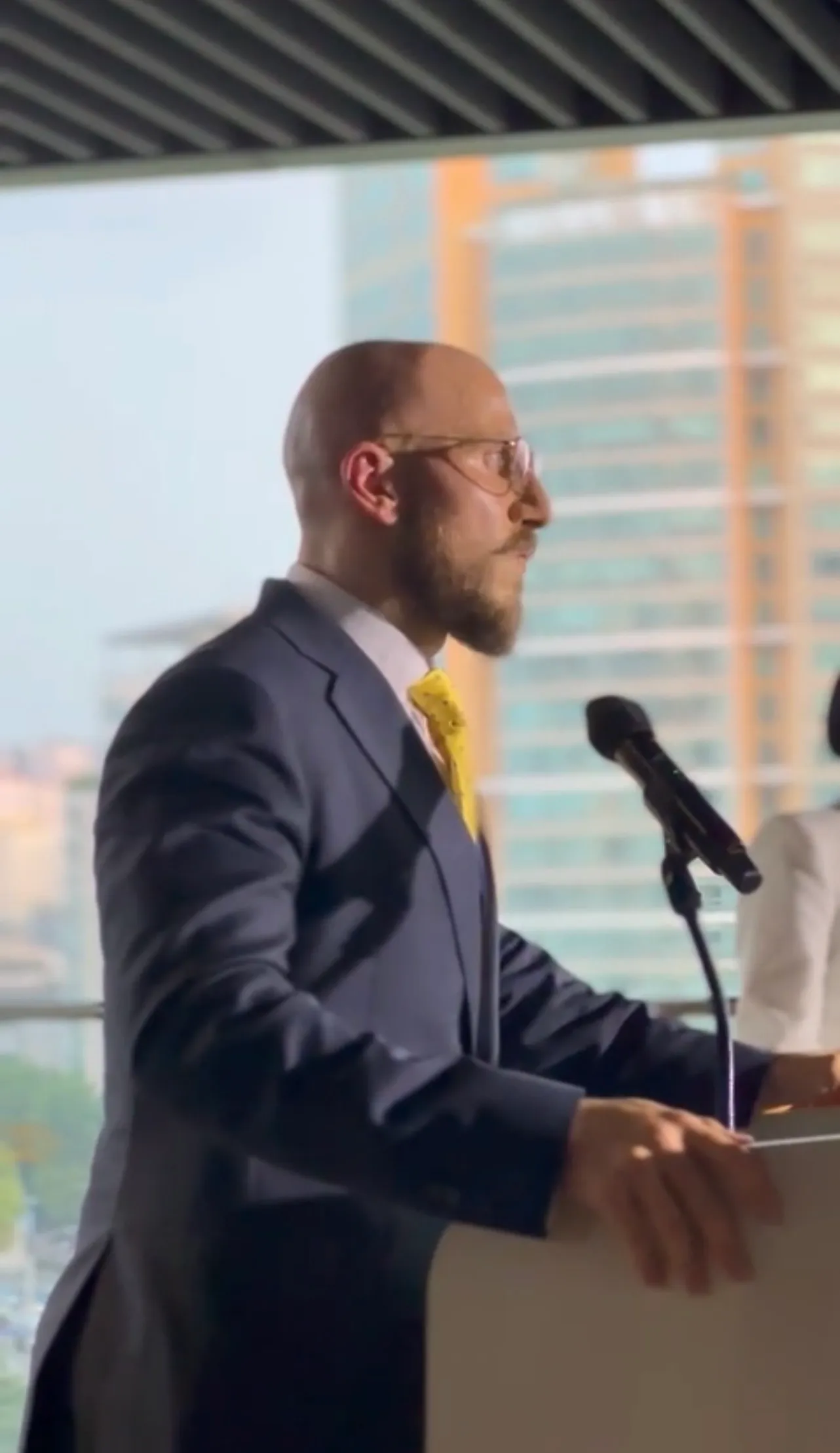
Much of this traffic runs through facilitators. The Vancouver Sun described Magallan, a former physician in Mexico who now arranges medical tourism, matching patients to hospitals, booking transport and handling the paperwork needed to reclaim costs from the British Columbia government. Most private procedures in Mexico cost less than half the United States price, he said, and seniors make up the bulk of his clients. A private hip or knee operation in Alberta or Ontario can carry a six to eight month wait and a bill as high as $35,000, the paper said, while the same surgery in Mexico runs $16,000 to $20,000 and can often be booked at once. One hospital he works with keeps 15 orthopaedic surgeons on staff. “If you want to go to Mexico, we can get your surgery next week,” Magallan said.
Deepak Datta, chief executive of the United States firm Medical Tourism Corporation, told the paper he had seen a surge of Canadians, most of them from British Columbia, seeking faster care in Mexico. He tied part of the shift to a fall in travel to the United States, which he linked to protests against the Trump administration. Dental and orthopaedic surgery were the procedures his clients asked for most, he said. Magallan warned that some online medical sites look polished without guaranteeing the care they promise, a caution that runs through wider reporting on medical tourism risks.
A symptom, not a cure
Medical tourism of this kind is a symptom of a gap at home, not a fix for it. The driver is a shortfall in domestic capacity, and treatment abroad does nothing to shorten the queue the patient left behind. It is also a paid exit, open to those who can spend $16,000 and closed to those who cannot, which is why a Simon Fraser University study found that medical tourism can widen health gaps among British Columbia residents. The facilitator sits in the middle of that gap as an unregulated intermediary, and the paperwork that reclaims a fee can also stand in for a clinic that no accreditation body has reviewed. Mexico is adding the capacity this demand implies, from hospital investment in Cancún to a medical district planned for Querétaro aimed at North American patients.
The official record captures only part of the flow. British Columbia does not require residents to report privately funded care abroad, the Vancouver Sun said, so the province sees only the applications it processes for public funding of elective treatment outside Canada. It handled 386 such applications over three years, roughly 100 a year, approving 124, rejecting 91 and returning 171 as incomplete. The Fraser Institute, an independent think tank, put the real number far higher, estimating that 105,529 Canadians sought non-emergency treatment abroad last year, 25,698 of them from British Columbia.
What to watch
The next figures are dated and close. The spring report from Doctors of B.C. and the Specialist Consultants of B.C. will show whether the wait list has climbed above last year’s 1.2 million, and the province’s own count of out-of-country funding applications will show whether the official total moves off its average of about 100 a year as more residents leave for care.