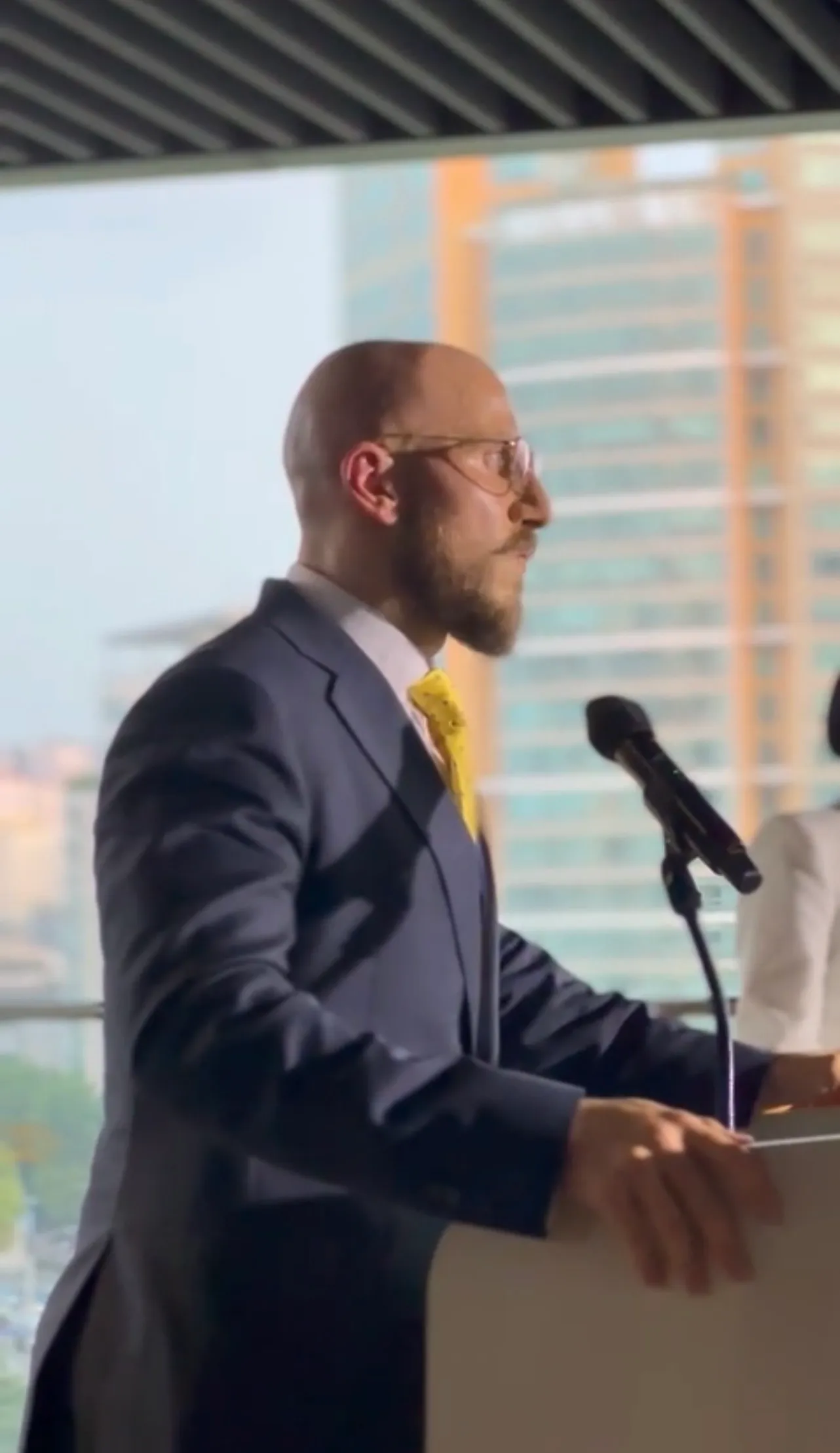
Grand Korea Leisure, the state-run operator of Seven Luck Casino, has signed a memorandum of understanding with the Korea Medical Tourism Association. That deal folds medical tourism content into the experience the casino sells to its foreign-only customers, Sedaily reported. Its stated aim is to lengthen visitor stays and lift overall tourism spending in South Korea. The agreement was signed on Wednesday, 12 May 2026, at the Korea Medical Tourism Association’s main conference room in Seocho-gu, Seoul. It seeks to generate fresh tourism demand by tying medical, cultural and tourism content together for the international guests who already pass through Seven Luck.
The move widens the casino visit beyond shopping and lodging to take in medical and wellness offerings, Sedaily reported. Under the memorandum, the two partners will jointly develop medical, cultural and tourism-linked products for foreign visitors. They will also run combined marketing and promotion behind them. The agreement provides for continuing information exchange and network cooperation meant to invigorate tourism. It frames South Korea as a destination that pairs entertainment with health services for an inbound audience it already holds.
Staff training and a medical tourism theme hall
Two concrete initiatives sit inside the memorandum. From June, the association will run “K-Wellness & Hospitality” training for the operator’s customer service staff, Sedaily reported. This programme is meant to sharpen their grasp of medical tourism products for foreign visitors and to improve on-site service. Grand Korea Leisure also plans to build and operate a “K-Medical Tourism Theme Hall” at Seven Luck Casino. The hall is a dedicated space where visitors sample medical tourism content directly rather than read about it.
Grand Korea Leisure’s president, Yoon Doo-hyeon, tied the agreement to spending and satisfaction. He said the casino would provide “differentiated content to foreign visitors of Seven Luck.” He added that the operator would keep working to expand tourism spending and improve regional tourism infrastructure through public-private cooperation, Sedaily reported. The framing is deliberate, and it treats the casino’s existing foreign footfall as a source market for medical tourism rather than a new one to be won.
Where a casino sits on the health tourism spectrum
Health tourism is best read as a spectrum rather than a binary. It runs from high clinical involvement at one end to self-guided wellness at the other, with hybrid forms such as longevity medicine, reproductive care bundled with a recovery stay, or an elective procedure paired with rehabilitation blurring the middle. A theme hall and a hospitality-training programme sit near the low-involvement end, where they introduce, market and refer, but do not diagnose or treat. What the two partners have described is a demand-generation channel, a way of converting a captive leisure audience into medical tourism enquiries. The clinical work still happens somewhere else, in an accredited hospital or clinic that the memorandum as reported does not name.
That distinction matters, because the value of medical tourism is settled at the clinical end, on outcomes and safety, and not at the point of first contact. A casino can raise awareness of medical tourism among foreign visitors it already serves, and it can shorten the distance between a leisure trip and a consultation. It cannot stand behind the result of a procedure. The standing risk in any facilitation channel, whether a theme hall, an agency or an app, is that it sells visibility rather than trust, and steers patients by who is promoted rather than by who is safe. A theme hall is only as sound as the referral pathway behind it, and the reported agreement describes the shop window and not the clinic.
The wellness end sets the near-term ceiling
The wellness end of this deal deserves naming precisely. Wellness tourism carries little clinical supervision and works on an already-sound state of health through prevention and lifestyle rather than treatment. It tends to sit in resorts and spas rather than in hospitals, and a casino programme branded around “K-Wellness” points squarely at that end. This is not a criticism, because wellness and cosmetic care are the most natural entry points for a leisure audience. They carry a foreign visitor from an evening at the tables toward a spa, a dermatology clinic or a diagnostics screening far more readily than toward cardiac, oncology or orthopaedic surgery. That reading sets a ceiling on what the memorandum can deliver in its first year, and the ceiling is a fair test of the deal.
What operators should watch
The test here is measurable and close. Grand Korea Leisure’s own figures will show, within a year, whether casino visitors introduced to medical tourism content actually book procedures, or whether the hall works as branding that lengthens a stay by an afternoon. The June training cohort is the first checkpoint, and the theme hall’s early visitor engagement is the second. A programme that produces enquiries but no completed treatments has built a marketing asset rather than a medical tourism channel.
A concentration point is also worth holding. Grand Korea Leisure is building this on foreign-only casino customers, a single and self-selected source market, and the mix of that market decides the mix of medical tourism demand it can generate. A source market chosen for its appetite for gaming is not obviously the same one that seeks oncology, cardiac or orthopaedic care. Wellness and cosmetic care are the likelier near-term fit. For an operator that already holds the inbound audience, the sensible move is dull. It is to track how many enquiries convert, which specialities they convert into, from dermatology and dentistry to oncology, and whether the accredited providers behind the referral can absorb them. The memorandum sets the shop window, and the arrival figures will show whether anyone walks through to the clinic.
