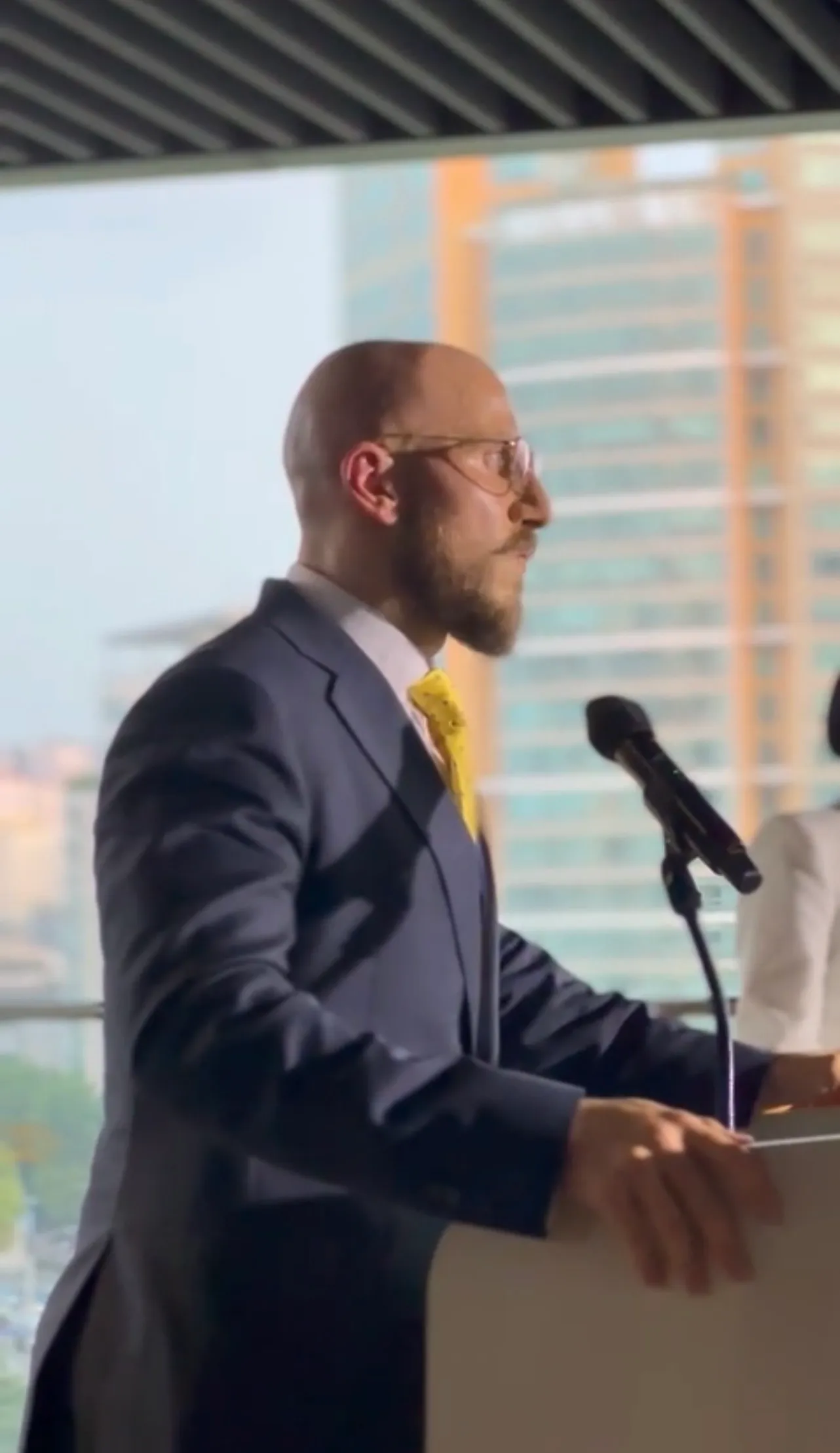
Assocham organised the third Health, Beauty and Wellness Symposium in Chandigarh, bringing officials, health experts and industry figures together to discuss health care, wellness and medical tourism, Devdiscourse reported. The event was pitched as a platform for regional and national health priorities, and its speakers returned again and again to preventive care, wellness and the AYUSH systems of traditional medicine. No investment figure and no funded programme were announced, and the report named none.
Government priorities at the symposium
Punjab Governor and Union Territory Administrator Gulab Chand Kataria attended as chief guest. Kataria called for “collective efforts towards building a TB-Free India” and for a drug-free Punjab, Devdiscourse reported. He acknowledged Assocham’s support for Chandigarh’s TB-Free drive and urged stakeholders to help tuberculosis patients through awareness, nutrition and treatment programmes. He also honoured industry members for their work in the sector, the report said.
The public-health themes Kataria raised were domestic ones. TB control and drug-addiction campaigns sit inside India’s own health system, and neither was tied in the reporting to a plan for foreign patients. That gap ran through the day. The symposium talked up medical tourism as a goal and preventive care as a selling point, but it set out no costed route from the one to the other.
Industry speakers and the northern India pitch
Manik Batra, who chairs the Assocham J&K council, made the sharpest medical tourism case, pointing to health tourism and wellness across northern India. Other council figures spoke on jobs and investment in preventive care and pressed for closer work between industry and government, and an Ayurveda expert argued for holistic wellness.
The northern India framing matters because the region is trying to position itself against established hubs further south. Uttar Pradesh has made a comparable pitch, pushing wellness and medical tourism alongside MICE events, and the Chandigarh symposium leaned on the same combination of traditional medicine and preventive care. Whether any of it converts into arrivals depends on capacity that a conference cannot supply.
AYUSH, sessions and the accreditation question
The symposium ran three sessions, Devdiscourse reported. One covered wellness policies and AYUSH, one the role of artificial intelligence and startups in preventive care, and one women’s leadership and enterprise. AYUSH, India’s umbrella for traditional medicine, was the thread through the day, offered as the thing that sets India’s wellness pitch apart from the cheaper surgical hubs in the rest of Asia.
That pitch is not new. India’s traditional-medicine systems have been marketed abroad for years, and Ayurveda in particular has gone global as a wellness draw. The harder part is trust. Foreign patients and their insurers weigh accreditation, and AYUSH clinics that want foreign custom face the same questions on quality as any hospital. A symposium can name the opportunity. It cannot certify a single treatment room.
There is a settled way to read events like this one. In medical tourism an announcement is not capacity, and a conference is the cheapest announcement of all. India’s headline numbers are large, with the country’s medical tourism market projected to nearly double to 16.2 billion US dollars by 2030 on the strength of AYUSH and easier medical visas, but those forecasts rest on hospitals, accreditation and air links rather than on the count of symposiums held. The Chandigarh event produced dialogue and an awards ceremony. It did not produce a bed, a certification or a funded corridor.
What to watch
The test is whether the talk in Chandigarh leaves a paper trail. Watch for a costed northern India wellness or medical tourism scheme with a budget line, rather than another symposium. Watch for AYUSH facilities in the region seeking NABH or equivalent accreditation aimed at foreign patients. And watch whether Assocham or the state governments publish arrival or revenue figures for northern India, because until they do, the region’s medical tourism case rests on the speeches its own councils gave.
