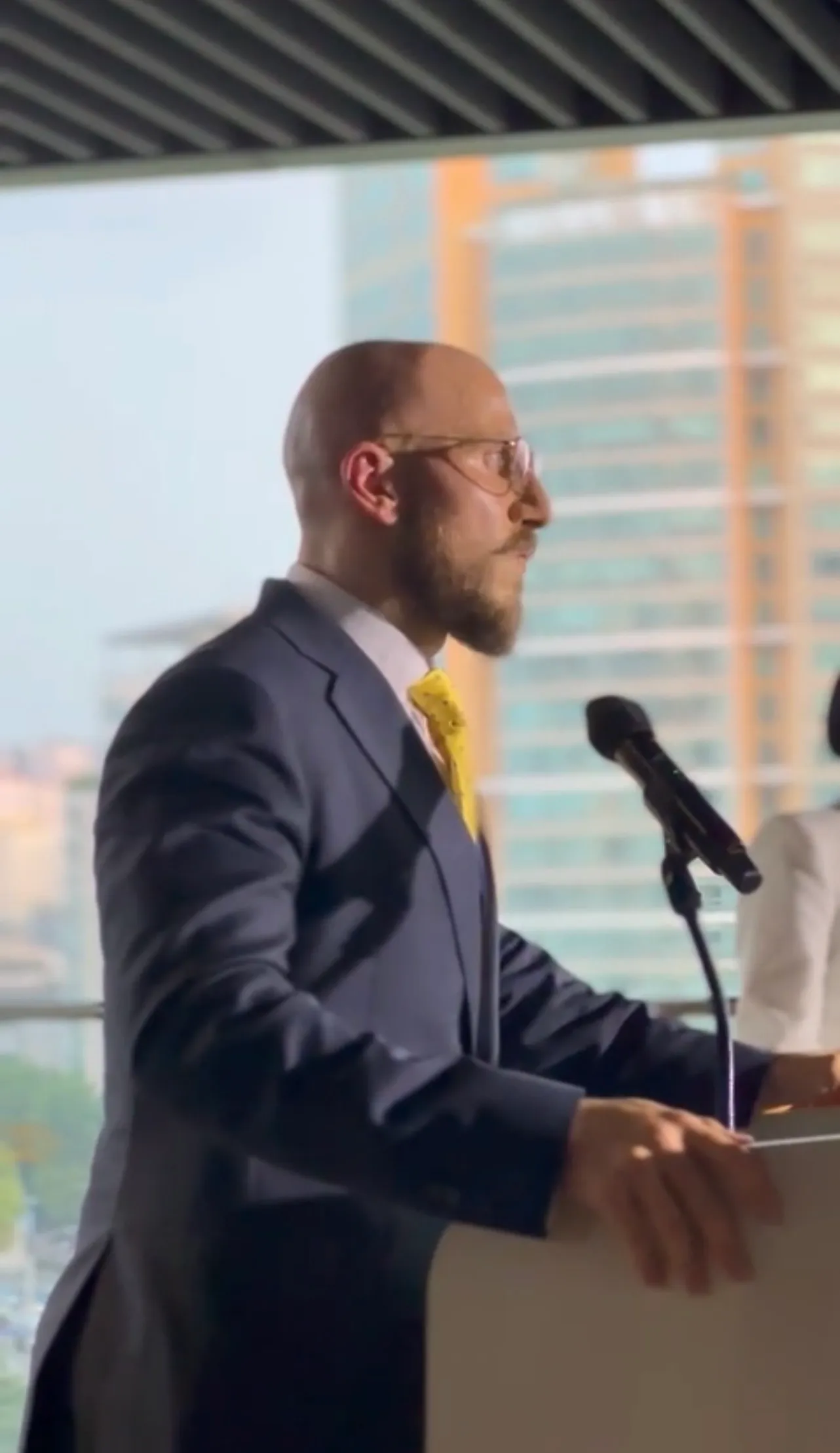
South Korea is working Mexico as a new source market for its medical tourism, Korea.net reported. The Korea Tourism Organization (KTO) used a trade event in Mexico City this month to court agencies, hospitals and wealthy patients at once. Its K-Travel Mart, held on 10 and 11 November at the Presidente InterContinental hotel under the slogan “Discover Your Korea”, produced more than 600 business consultations and 20 signed contracts, the KTO said. About 100 firms took part, among them 26 Korean travel agencies alongside Mexican operators and medical tourism companies.
The pitch leaned on culture before clinics. Korea.net reported that the KTO set Korea’s medical tourism offer beside its cultural exports and its education programmes. It rode the popularity of Hallyu, the Korean cultural wave, to turn Mexican interest in Korean film and music into interest in travelling there. That Hallyu pull is the whole basis of the pitch, with hanbang medicine, cosmetic surgery and health screening sold as the services it is meant to convert. That framing treats a hospital visit as one line in a broader trip, which is how source markets are usually opened, on affinity first and procedures later.
The numbers behind the pitch
The measured figures sit in the general tourism data, not yet in the medical count. From January to September, Korea.net said, about 143,000 visitors from Latin America travelled to Korea, up 47 per cent on the same months a year earlier. Mexican visitors made up 63,000 of that total and rose more than 85 per cent. Those are arrivals of every kind, and the report presents them as the backdrop that makes Mexico worth the effort. The 63,000 Mexican visitors, up 85 per cent, are the closest thing in the account to a hard trend, and they measure tourism at large.
The medical-specific numbers are meeting-floor figures, and Korea.net framed them as such. The event’s second day was given over to a Medical Tourism Day. It drew about 100 invited guests from Mexico’s affluent clubs and public life, the report said, for consultations on health screenings, cosmetic surgery, beauty treatment and hanbang traditional medicine. Nine Korean medical institutions delivered those hanbang and cosmetic consultations. A hundred guests and nine providers describe a room, not a patient flow. The contracts and consultations counted at the mart are a pipeline the organisers hope will convert. Korea.net reported intent and interest; it did not report Mexican patients treated in Korea.
Building a market away from its old ones
There is a standing reason a destination courts a distant market this way, and it is concentration. Korea’s inbound medical tourism has long leaned on nearby China and Japan. A base built on two neighbours is a base exposed to their politics and their currencies. Reaching into Latin America spreads that risk, which is why the KTO is spending on events like the Presidente InterContinental mart in Mexico City rather than only on the markets it already holds. Korea has been growing its foreign-patient numbers past two million and courting new arrivals through targeted outreach, and the Mexico push is the same strategy carried further. Korea is opening a new source market, and a new source market takes years to fill.
Distance is the catch. A Mexican patient choosing Seoul over a clinic in the United States or Mexico itself is committing to a long flight and a long recovery abroad. Affinity for Korean culture and for Hallyu buys attention rather than a booking. The travel mart is built to bridge that gap with agencies, packaged trips and the promise of screening or cosmetic work folded into a holiday. The conversion from cultural interest to a paid procedure is the part no consultation count can prove. That is the standing weakness of the affinity route: it fills the top of the pipeline reliably and says little about the bottom.
Korea.net reported that the KTO signed memorandums of understanding with the tourism departments of Mexico City and the state of Nuevo Leon. It also plans joint promotions timed to next year’s FIFA World Cup finals in North America. Those are the levers meant to carry the interest forward, and like the mart itself they are inputs. Whether they produce Mexican patients in Korean wards is a separate figure that has not yet been reported.
What to watch
The tests are specific and a year out. Whether Korea’s medical tourism statistics begin to record a rising share of patients from Mexico and Latin America, rather than general visitors, will show whether the mart converted. Whether the memorandums with Mexico City and Nuevo Leon produce named programmes, and whether the World Cup promotions translate into medical bookings rather than tourist trips, will show whether the affinity built on Hallyu has turned into treatment. Until the patient count moves, Mexico is a promising source market for Korean medical tourism and a room full of consultations, not yet a flow of patients.
