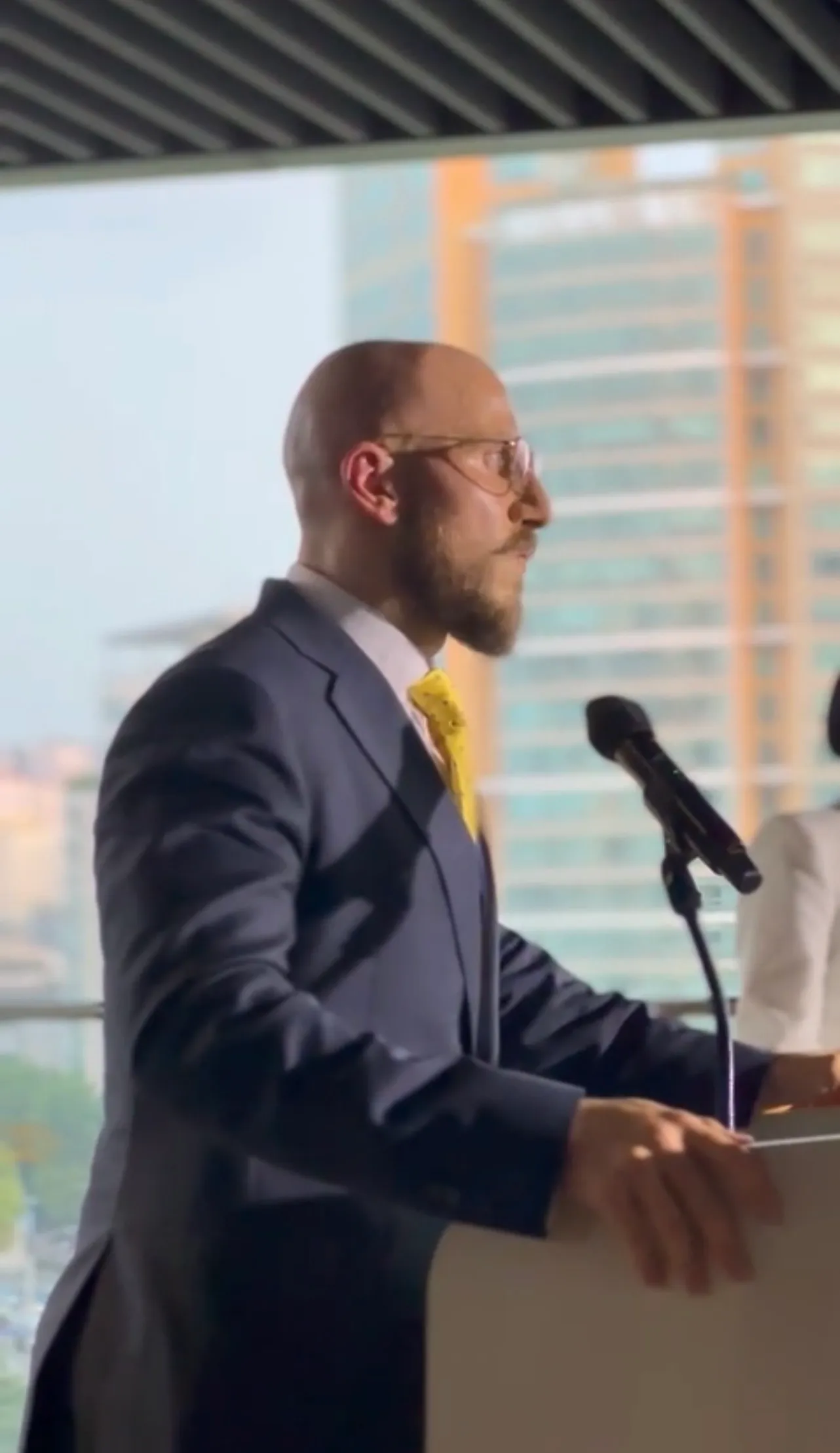
Argentina formally left the World Health Organization on Tuesday, Al Jazeera reported, a year after it filed notice of its intent to withdraw. Minister of Foreign Affairs Pablo Quirno confirmed the exit, which the government of President Javier Milei set in motion in March of last year. The step follows a near-identical withdrawal by the United States, formalised in January, and leaves Argentina outside the World Health Organization, the body that tracks disease outbreaks, sets health guidance and trains health workers across its member states.
Quirno announced the exit in a post on Tuesday. The withdrawal “takes effect” one year on from the formal notice, he wrote, and Argentina would keep working through bilateral agreements and regional forums while “fully preserving its sovereignty” over its own health policy. As of Tuesday the WHO still listed 194 members on its website, Al Jazeera reported.
A decision rooted in the pandemic
Milei, a libertarian, has been a vocal critic of the WHO’s guidance during the COVID-19 pandemic, Al Jazeera reported. He has objected to the masking, distancing and vaccination campaigns the body recommended, positions that drew wide opposition on the right in many countries. In one post he called the WHO a “nefarious organization” and accused it of running the greatest experiment in social control in history.
The WHO is an advisory body. It offers guidance to national health authorities rather than binding rules, and its role is to back its member states, not to override them. Argentina’s exit from the World Health Organization changes its place in that advisory network. It does not, on its own, change the accreditation of the country’s hospitals or the training of its doctors.
The United States set the precedent
Argentina’s announcement last year closely followed the same move by the administration of President Donald Trump, Al Jazeera reported, and both leaders gave similar reasons. The United States formalised its own withdrawal in January, Al Jazeera reported. WHO Director-General Tedros Adhanom Ghebreyesus said at the time that the stated reasons were untrue, and warned that the step made “both the US and the world less safe.”
That retreat has a running record elsewhere. American funding cuts have already strained South Africa’s HIV response, and the WHO itself has reported health gains alongside falling funds. Health groups in Europe have pressed governments to back a binding pandemic agreement as the multilateral system loses members and money.
What the exit means for patient travel
There is a settled way to read a decision like this against medical tourism. Trust in a destination is built from accreditation, outcomes and the free movement of clinical knowledge across borders, and a government’s WHO membership is one signal within that system. It is a diplomatic posture, and it can move faster than anything on a hospital floor changes.
The gap between the two is the point. Argentina’s clinics keep the same equipment, staff and accreditation they held last week. What shifts is the country’s place in the shared machinery of disease surveillance, data reporting and guidance that member states draw on. The bilateral agreements can replace parts of that machinery, but they cover narrower ground than a single global framework, and each has to be negotiated country by country. A patient weighing treatment abroad is unlikely to read a WHO exit as a clinical change. A public-health official planning for the next outbreak has more reason to watch it.
What to watch
The near-term test is whether the bilateral agreements Quirno described arrive with specific terms or stay at the level of intent. Whether Argentina keeps reporting into regional disease-surveillance networks will show if the exit is real or only on paper. The wider signal is how many governments follow the United States and Argentina out of the World Health Organization, and whether the WHO’s remaining 194 members hold. Each of those is dated and checkable, and each will say more than the announcement did.