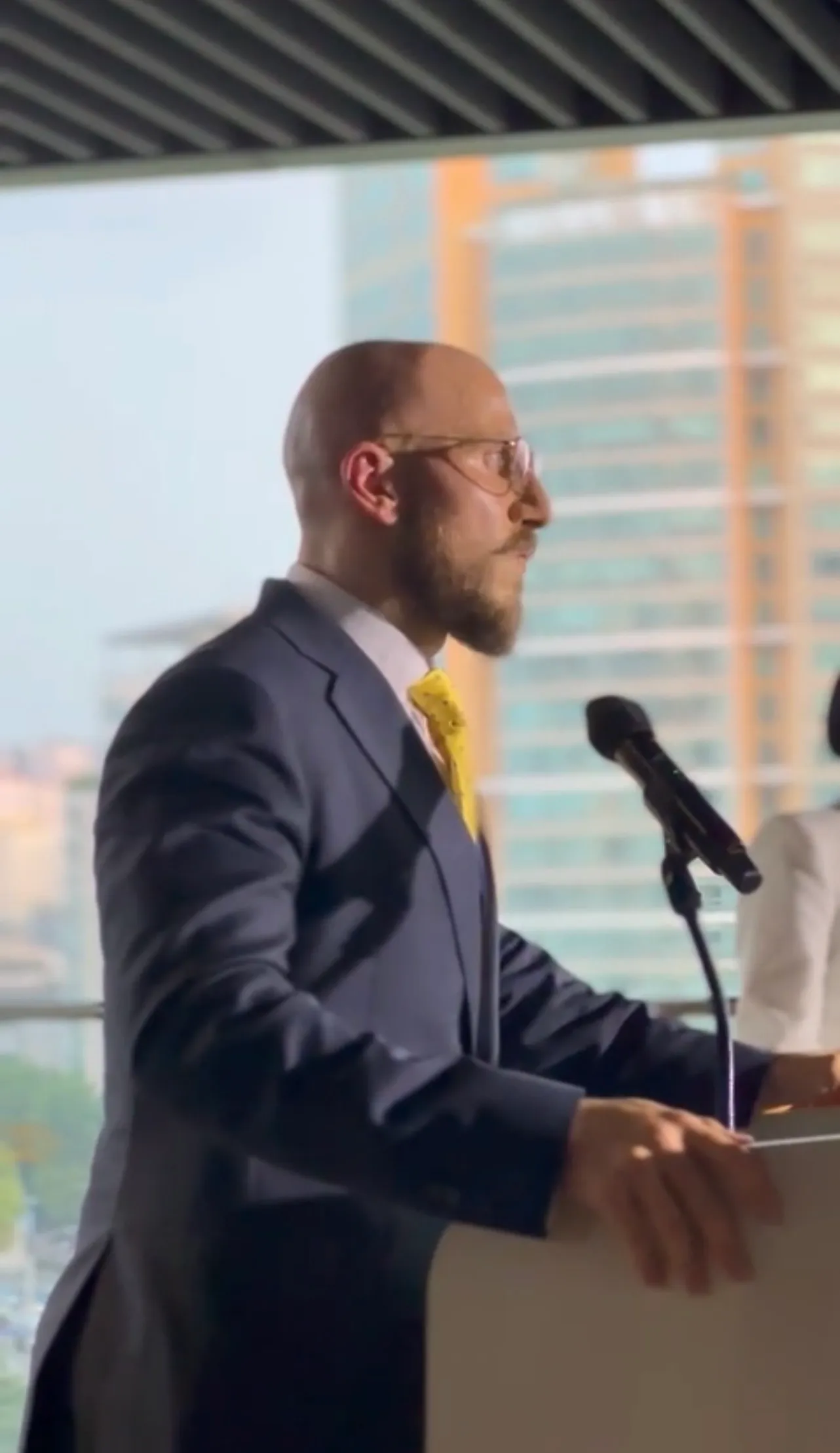
A forum in Tirana has set out Albania’s bid to become a trusted regional destination for medical tourism, arguing that the trade turns on trust rather than on treatment alone, A2 CNN reported. The event, at Barleti University on 10 March, was run with Temos International of Germany, the Stirling Centre for Strategic Learning and Innovation in Britain, and the Albanian Medical Tourism Association. A2 CNN, an Albanian broadcaster, said the speakers returned again and again to one point, that medical tourism is built on patient safety, accreditation and trust, not on the supply of services alone.
What the forum argued
The forum brought together doctors, tour operators, academics and officials, A2 CNN reported. It also launched the Global Healthcare Tourism Leadership Programme, a training course meant to spread international practice through Albania’s health tourism sector. Alongside it, the Stirling Centre and Barleti University presented a joint Albania-Scotland partnership in strategic learning and leadership. Among the speakers were Claudia Mika, chief executive of Temos International, Merita Osmani of the Albanian Medical Tourism Association, and Professor Alaa Garad, who leads the Stirling Centre. The message ran the other way from a sales pitch. Before a country sells its price or its clinics, the speakers argued, it has to earn the confidence of patients who will judge it from abroad, A2 CNN reported.
Garad’s three reasons
Garad, interviewed for the medical programme “Diagnoze”, gave three reasons Albania was drawing attention, A2 CNN reported. The first was its doctors, many of them trained to work at an international level. The second was cost, with care in Albania cheaper than in much of western Europe, which Garad framed as value for money. The third was the setting, where patients can recover in good weather and eat well while they heal. Taken together, he said, the three make Albania an option that patients from western Europe can weigh on cost without giving up on quality. On the harder question of trust, Garad was blunt. A patient who travels for care, he said, does not travel only for treatment; they “travel for trust”.
Trust is the thing being sold
Garad’s argument is the standard one, and it holds. Medical tourism is built on patient safety, accreditation and trust, and on those Albania is still building. A destination competes on its doctors, on price and on climate, but it grows on trust, because a patient crossing a border hands their care to a system they cannot check for themselves. Price can be checked from home; a surgical outcome cannot. That is the gap accreditation is meant to close, by letting an outside body vouch for what the patient cannot see. A cheaper operation that goes wrong abroad costs more than the saving, and it is the fear of that outcome, not the price list, that keeps most patients at home. Accreditation is how that trust is made legible. Providers should be certified by bodies such as Temos International or the Joint Commission International, Garad said, and “quality is decisive”. Few countries hold those marks, which is exactly why they carry weight. Cyprus has tightened doctor registration for the same reason. Albania’s nearest proof point is narrower, in that its dental-tourism operators already draw foreign patients on price, and whether they can hold them on trust is the test the wider sector faces.
What to watch
The programme was due to run from 30 March to 4 April, and its first measure is simple, whether it changes practice or only fills a schedule. The organisers framed the forum as a first step, A2 CNN reported, not a finished plan. The larger tests are slower. Whether an Albanian clinic wins Temos or Joint Commission accreditation, whether the Barleti partnership produces standards the sector actually uses, and whether foreign patients arrive in numbers the organisers can count will show if Tirana’s forum was a start or a statement. A patient travels for trust, and trust is the one thing a forum cannot vote into being.
